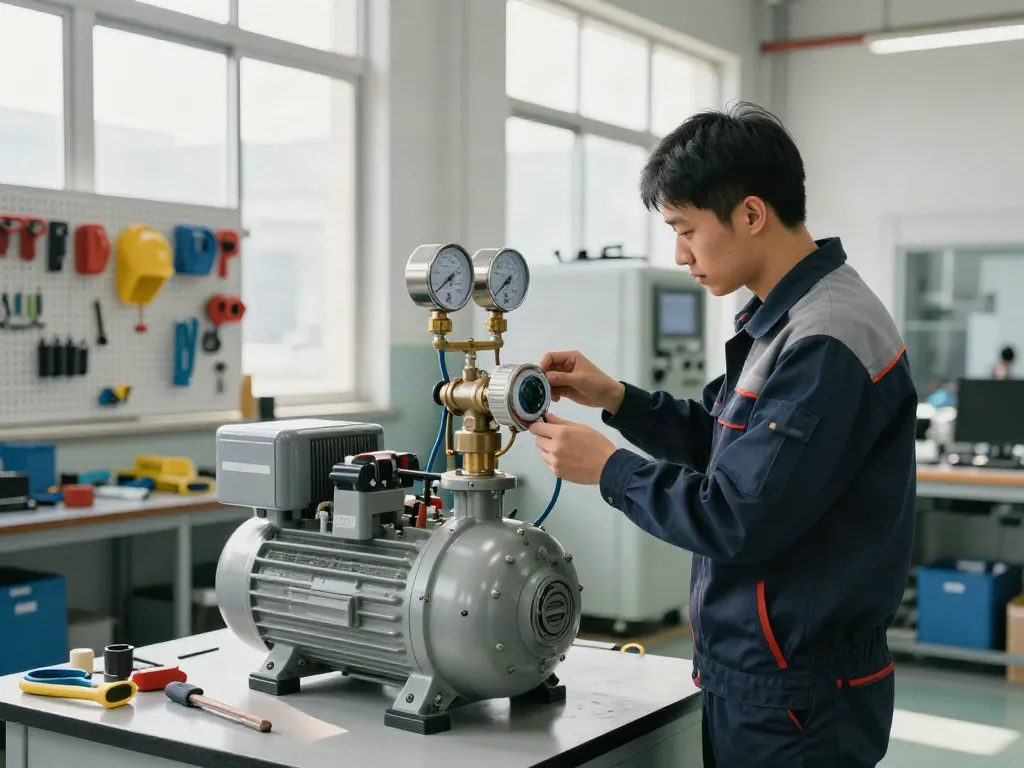
Understanding Air Compressor Pressure Switch Fundamentals
The air compressor pressure switch is a critical component in any air compression system, ensuring that the system runs efficiently and safely. Understanding these switches' mechanics and functions can significantly enhance maintenance practices and operational efficiency. This article delves into the fundamentals of air compressor pressure switches, emphasizing their importance across various applications, from OEM integrations to aftermarket solutions. Moreover, we will explore how partners can leverage the benefits of air compressor pressure switch for optimal performance and reliability.
What is an Air Compressor Pressure Switch?
An air compressor pressure switch is an automatic control device that regulates the air pressure in a compressor tank. It operates by opening and closing electrical contacts to start or stop the compressor motor, thereby maintaining the desired pressure in the system. When the pressure falls below a predetermined level, the switch activates the motor, and when the set pressure is achieved, it deactivates the motor. This functionality is essential for both safety and efficiency, preventing the system from working unnecessarily hard, which could lead to increased wear or failure.
Key Functions and Benefits of Pressure Switches
Pressure switches serve several vital functions in an air compressor system:
- Automatic Control: By automatically starting and stopping the compressor, pressure switches maintain consistent pressure levels without manual intervention.
- Protection Against Overpressure: By shutting down the compressor when pressure exceeds safe levels, pressure switches help protect the system from potential damage.
- Energy Efficiency: By preventing the compressor from running continuously, pressure switches contribute to energy savings, making them a cost-effective choice for both OEMs and end-users.
- Maintenance Alerts: High-quality pressure switches can provide alerts when maintenance is required, reducing downtime and extending the lifespan of the compressor.
Common Types and Specifications
Pressure switches come in various designs and specifications to suit different applications, including:
- Simple On/Off Switches: Basic switches that merely turn the compressor on or off based on pressure levels.
- Adjustable Switches: Allow users to set custom pressure thresholds based on specific operational needs.
- Multi-Pressure Switches: Enable the regulation of multiple pressure levels, which can be beneficial for more complex systems.
- Digital Pressure Switches: Offer more advanced monitoring options, including digital displays and remote control capabilities.
Applications Across Industries
Air compressor pressure switches are utilized across many industries, playing a pivotal role in ensuring seamless operation and safety standards. Understanding their application in various sectors can help pinpoint the right solution for specific needs.
OEM Integration in Industrial Settings
In Original Equipment Manufacturer (OEM) settings, air compressor pressure switches are crucial for the integration of automated control systems in piston-type air compressors. They are designed to accommodate both small workshop units and larger industrial models, providing a standardized solution that aligns with common motor loads and pressure cycles. This integration not only simplifies the manufacturing process but also enhances the reliability of the air compression systems.
Aftermarket Solutions for Maintenance
In the Maintenance, Repair, and Operations (MRO) sector, high-quality pressure switches serve as vital replacement parts, particularly given the high failure rates associated with lower-quality brands. Broad compatibility with various compressor models makes these switches a necessary stock item for servicing common brands across commercial garages, manufacturing plants, and construction sites. Investing in robust pressure switches minimizes the risk of premature failures and associated downtime, ensuring ongoing operational efficiency.
Residential and Commercial Water Pumping Systems
Pressure switches are equally important in the domestic and commercial water pumping sectors, where they ensure consistent water pressure. In multi-story buildings or hotels, these switches automatically manage pump operations, starting and stopping the pump within a predefined pressure band. This automatic control is crucial for maintaining water availability, especially in systems relying on booster pumps for irrigation and water supply. Their role in ensuring the reliability of water delivery highlights the versatility of pressure switches in various applications.
Selecting the Right Pressure Switch
Choosing the appropriate air compressor pressure switch is imperative for optimal system performance. Several critical factors should be considered when making this selection.
Essential Factors for Choosing a Pressure Switch
- Pressure Range: Ensure the switch can handle the required pressure specifications for your system.
- Electrical Requirements: Check that the switch can accommodate the voltage and current specifications of your compressor.
- Environmental Conditions: Consider where the switch will be installed; switches designed for harsh conditions may be necessary for outdoor or industrial environments.
- Manufacturer Support: Opt for brands that provide robust customer support and warranty options, ensuring peace of mind in case of failures.
Compatibility Considerations with Compressors
Compatibility is paramount when selecting a pressure switch. Ensure that the switch specifications, such as voltage, current rating, and pressure range, align with the requirements of the specific compressor model in use. High-quality pressure switches are designed to accommodate a wide variety of compressor brands, fostering greater flexibility in selection.
Performance Metrics and Evaluation Criteria
When evaluating different pressure switches, consider the following performance metrics:
- Cycle Life: The number of cycles a switch can handle before failure. Look for switches that can endure millions of cycles.
- Response Time: The time it takes for the switch to react to pressure changes, affecting overall system responsiveness.
- Quality of Materials: Industrial-grade contacts and robust diaphragm materials contribute significantly to the longevity and reliability of the switch.
- Calibration Accuracy: Precise calibration ensures the switch activates and deactivates at the correct pressure levels.
Installation and Maintenance Best Practices
Proper installation and maintenance of air compressor pressure switches are essential for optimizing performance and longevity. Adhering to best practices can significantly reduce the risk of malfunctions.
Step-by-Step Installation Guide
- Turn Off Power: Always ensure the system is powered down before attempting installation.
- Remove the Old Switch: Disconnect any electrical connections and carefully remove the old pressure switch.
- Install the New Switch: Align the new switch with the mounting position and secure it in place.
- Reconnect Wiring: Follow the manufacturer's wiring diagram to connect the new switch.
- Test the System: Turn the power back on to check for proper operation and ensure there are no leaks.
Maintenance Tips for Longevity
To maintain the effectiveness of the pressure switch, consider these maintenance tips:
- Regular Inspections: Schedule inspections of the air compressor system to identify any potential issues early.
- Check for Leaks: Ensure that there are no air or water leaks around the pressure switch connections, as this can affect performance.
- Keep it Clean: Dust and debris can impair the functionality of the electrical components, so keep the area clean.
- Calibrate Periodically: Regular calibration ensures accuracy in operation, especially after maintenance or component replacements.
Common Issues and Troubleshooting Methods
Pressure switches can experience various issues over time. Here are some common problems and their troubleshooting methods:
- Pressure Switch Does Not Activate: Check the electrical connections for any loose or corroded wires.
- Frequent Cycling: This may indicate an incorrect pressure setting or a leak in the system. Check the settings and inspect for leaks.
- Inconsistent Pressure Readings: This could result from debris within the switch; consider cleaning it or replacing the switch entirely.
Future Trends and Innovations in Pressure Switch Technology
The landscape of pressure switches is continually evolving, with new technologies emerging that enhance functionality and efficiency. Staying informed about these trends can position businesses to adopt best practices and improve operational efficiency.
Emerging Technologies Impacting Pressure Switches
Recent advancements in technology include the integration of smart features and IoT capabilities, allowing for remote monitoring and control. These innovations enhance the ability to manage air compressor systems proactively, leading to improved productivity and reduced operational costs.
Predictions for 2026 and Beyond
As manufacturers continue to innovate, we can anticipate a shift toward more durable materials and smarter, more efficient designs. Enhanced connectivity features will likely play a larger role in the functionality of pressure switches, enabling better integration with existing industrial internet systems.
How to Stay Ahead in the Industry
- Invest in R&D: Companies that prioritize research and development will be better positioned to meet evolving market demands.
- Embrace Automation: Integrating automation technologies can lead to significant efficiency improvements in air compressor systems.
- Focus on Sustainability: As environmental concerns grow, pressure switches that promote energy efficiency and reduce environmental impact will be essential for staying competitive.
What are the signs of a bad air compressor pressure switch?
Signs of a malfunctioning pressure switch include frequent on/off cycling, inconsistent pressure levels, and failure to start the compressor. Regular maintenance can help identify these issues early and maintain optimal performance.
How to adjust the settings on an air compressor pressure switch?
Adjusting the settings typically involves locating the adjustment screws on the switch and turning them to increase or decrease the cut-in and cut-out pressures. Always refer to the manufacturer’s instructions for specific guidance.
Is a pressure switch necessary for all air compressors?
While not all air compressors may function without a pressure switch, it is highly recommended to ensure operational safety, efficiency, and longevity. A pressure switch is crucial for regulating pressure levels and preventing damage to the system.
How do I reset a compressor pressure switch?
Resetting a pressure switch usually involves locating the reset button or toggling the power supply. In some cases, it may require manual adjustments to the pressure settings.