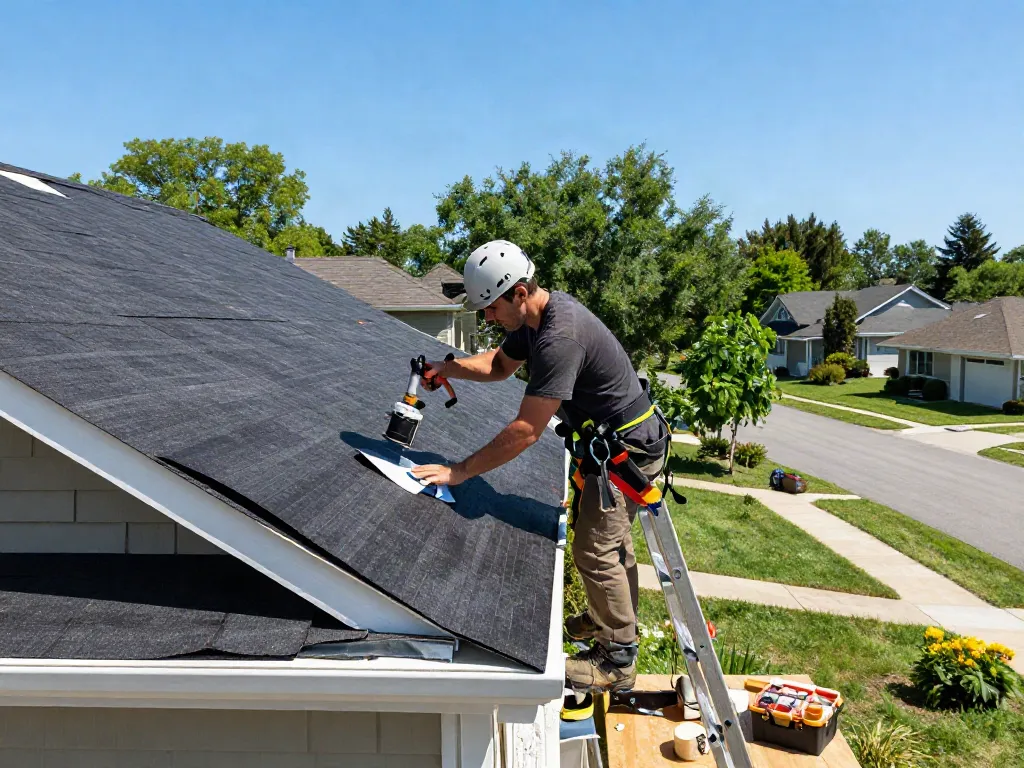
Understanding Felt Roof Replacement
When it comes to home improvement projects, many homeowners often overlook the importance of roofing. A solid roof is essential for protecting your property from the elements, and felt roofing is one of the most popular choices. In recent years, the need for felt roof replacement has become increasingly common, especially as older roofs reach the end of their lifespan or suffer from wear and tear. This article offers insights into the felt roofing process, benefits, and expert tips to ensure you get the best results for your home.
What is Felt Roofing?
Felt roofing is a type of flat roofing system that uses felt sheets as the primary waterproofing layer. Typically made from layers of bitumen and synthetic materials, felt roofs are known for their durability and affordability. They are most commonly used for garages, extensions, and low-slope roofs, providing a reliable solution for homeowners looking to protect their structures from rain and snow.
Common Reasons for Replacement
- Age: Most felt roofs have a lifespan of 10 to 20 years. Once they start to show signs of wear, they may need replacement.
- Leaks: Persistent leaks can lead to structural damage if not addressed promptly.
- Blistering: Blisters on the surface of the felt indicate trapped moisture and are a sign that replacement may be necessary.
- Damage: Storms or fallen debris can cause significant damage, requiring complete replacement.
Types of Felt Roofing Systems
Understanding the different types of felt roofing systems can help you make a more informed decision when considering felt roof replacement. Here are some common types:
- Traditional Bitumen Felt: This is the most common type, available in two variations—torch-on and self-adhesive.
- Reinforced Felt: A stronger option that includes a fiberglass or polyester reinforcement, providing better durability.
- Liquid Applied Systems: These are newer technologies that offer seamless waterproofing and are excellent for complex roof shapes.
Choosing the Right Roofing Specialist
Selecting the right roofing contractor is crucial for ensuring that your felt roof replacement is done correctly. Roofing specialists possess the right skills and knowledge to navigate the complexities of roofing systems.
How to Evaluate Local Roofers
To ensure you hire a qualified roofer, consider the following:
- Experience: Look for contractors with substantial experience in felt roofing projects.
- Reviews: Customer testimonials and online reviews can provide insight into the quality of their work.
- Portfolio: A good contractor should have a portfolio showcasing their previous projects.
Importance of Insurance and References
Always ask for proof of insurance and references. This not only protects you from potential liabilities but also helps you gauge the contractor's reliability and professionalism.
Questions to Ask Before Hiring
Before making a final decision, consider asking the following questions:
- What materials do you recommend for this project?
- What is the expected timeline for completion?
- Can I see examples of similar projects you have completed?
- What warranties do you offer on workmanship and materials?
The Felt Roof Replacement Process
The felt roof replacement process is straightforward, but knowing what to expect can help you prepare adequately. Here’s a step-by-step guide to the typical process:
Step-by-Step Guide to Replacement
- Inspection: The first step is to assess the condition of the existing roof.
- Removal: Old felt is stripped off, along with any damaged wood or insulation.
- Preparation: The roof surface is cleaned and repaired as necessary.
- Installation: New felt sheets are applied, usually using a torch-on method or adhesives.
- Finishing: The edges are sealed, and any necessary drainage systems are installed.
Necessary Tools and Materials
For a successful felt roof replacement, the following tools and materials are essential:
- Roofing felt sheets (bitumen, reinforced)
- Measuring tape and chalk line
- Utility knife and trowel
- Adhesive or torching equipment
- Safety gear (harness, goggles, gloves)
Understanding Timeframes and Costs
The timeframe for a felt roof replacement can vary based on the size of the roof and complexity of the project. Generally, it can take anywhere from a few days to a week. As for costs, they can range significantly based on materials and labor but expect to budget between £1,500 to £5,000 for an average-sized flat roof. Request quotes from multiple contractors to get an accurate estimate.
Maintaining Your New Felt Roof
Once you've replaced your felt roof, maintenance becomes key to prolonging its lifespan. Regular upkeep can prevent costly repairs down the line.
Best Practices for Upkeep
- Inspect the roof regularly for signs of damage or wear.
- Keep gutters and drainage systems clear to prevent water pooling.
- Avoid walking on the roof unless necessary, as this can cause damage.
- Remove debris, leaves, and snow promptly to reduce weight and stress on the structure.
Signs Your Roof Needs Attention
Being vigilant about the condition of your felt roof can save you from larger issues in the future. Watch for:
- Visible leaks or water stains inside your home.
- Blisters or bubbles in the felt.
- Cracks or splitting at seams.
- Unexpected pooling of water after heavy rains.
Comparing Costs for Repairs vs. Replacement
If you notice signs of wear, you might wonder whether to repair or replace your felt roof. Generally, if the repair costs exceed 50% of the replacement cost, it’s more sensible to replace the roof. Always consult with a professional roofer to evaluate your options.
Future Trends in Roofing Materials
The roofing industry is constantly evolving, and staying updated on the latest trends can help homeowners make informed decisions.
Innovative Technologies for 2026
In 2026, expect to see advancements in materials that enhance energy efficiency and sustainability. Innovations such as reflective roofing materials can help reduce heat absorption, thus decreasing energy costs.
Eco-Friendly Options for Felt Roofing
More homeowners are turning towards eco-friendly felt roofing options. Materials made from recycled content are becoming more common, providing durable solutions without compromising the environment.
Preparing for Changing Climate Conditions
As climate change continues to impact weather patterns, choosing a roofing solution that can withstand extreme conditions is crucial. Ensure your felt roofing system is designed to manage heavy rains and high winds, which are becoming increasingly common.
What are DIY Alternatives?
Some DIY enthusiasts may consider replacing their felt roof as a weekend project. However, it is essential to understand the complexities involved in roofing projects, and for many, it is advisable to hire professionals.
Can I refelt a roof myself?
While it is technically possible to refelt a roof yourself, it requires a considerable amount of skill and experience. Mistakes can lead to significant future problems, making the investment in professional help worthwhile.
What is the life expectancy of a felt roof?
On average, a felt roof can last between 10 to 20 years, depending on the materials used and the quality of installation. Regular maintenance can help extend its lifespan.
Should you remove old felt when replacing a roof?
Yes, it is recommended to remove old felt before installing a new one. This allows for inspection of the underlying structure and ensures a sound base for the new felt roofing.
Can you put new felt on top of old felt?
While it is technically feasible to install new felt over old felt, it is not always advisable. Doing so can trap moisture and lead to further issues over time. A clean, dry surface is essential for optimal adhesion and performance.