
 Business and Consumer Services
A Field Guide to Cyber Essentials Managed Service for…
Understanding Cyber Essentials Managed Service
The rising tide of cyber threats necessitates a robust cybersecurity framework for businesses of all sizes, particularly in the UK where the cyber essentials managed service offers an industry-specific standard. Cyber Essentials, a UK government-backed initiative, is designed to provide organizations with the essential measures needed to protect against common cyber threats. This certification not only enhances the security posture of your organization but also builds trust with clients, ensuring they feel secure while engaging with your services.
What is Cyber Essentials Managed Service?
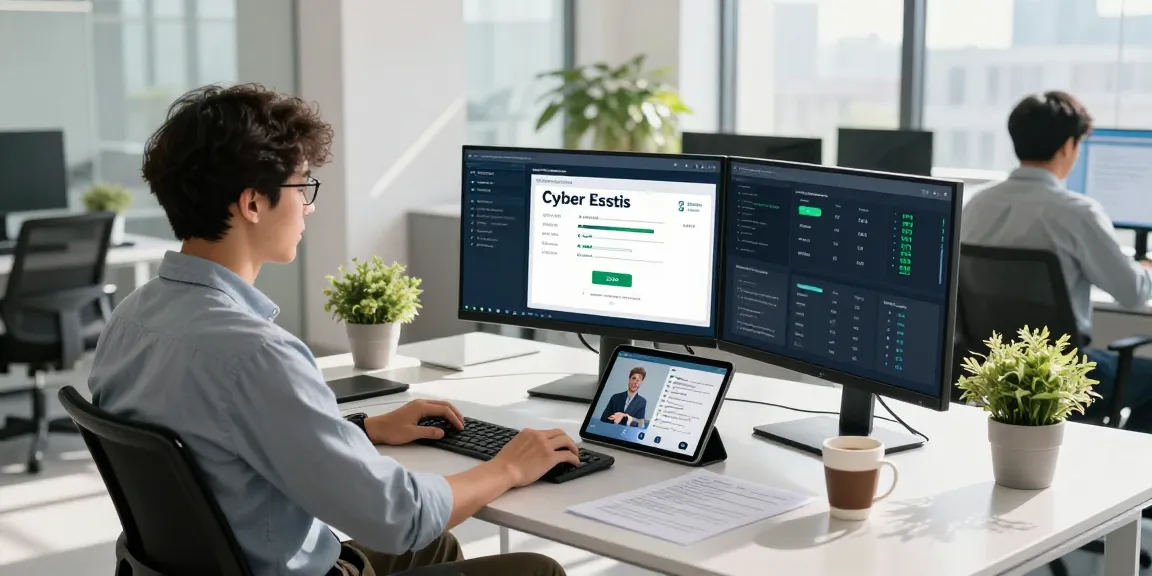
A Cyber Essentials Managed Service provides businesses with a streamlined path to achieving and maintaining Cyber Essentials certification. This service generally includes the deployment of a compliance agent across all organizational devices, automating key technical controls, and facilitating the submission to an independent audit body such as IASME. By outsourcing these compliance needs, companies can focus on their core business functions while ensuring they meet cybersecurity standards.
The Benefits of Adopting a Managed Service Approach
Adopting a managed service approach to Cyber Essentials certification brings several advantages, particularly for Small and Medium Enterprises (SMEs). Some key benefits include:
- Time Efficiency: The complexities of certification are handled by professionals, allowing businesses to achieve compliance faster.
- Cost-Effectiveness: A predictable pricing model helps businesses manage budgets effectively while also avoiding unexpected costs associated with internal compliance efforts.
- Continuous Compliance: Managed services ensure that compliance is not a one-time event but an ongoing process, with regular updates and assessments.
- Expert Guidance: Access to cybersecurity experts who can provide tailored advice and support based on the specific needs and risks faced by the business.
Key Components of Cyber Essentials Certification
The Cyber Essentials certification focuses on five technical controls that organizations must implement to mitigate risks:
- Firewalls: Properly configured firewalls protect organizational networks from unauthorized access.
- Secure Configuration: Ensuring systems are configured to minimize vulnerabilities and risks.
- User Access Control: Restricting user access based on role and need, using principles of least privilege.
- Malware Protection: Deploying software to protect against malware attacks.
- Security Update Management: Maintaining up-to-date systems and software to protect against known vulnerabilities.
Implementation Process for Cyber Essentials
Getting certified under Cyber Essentials involves several steps that ensure your organization meets the required standards. The implementation process is designed to be straightforward, making it achievable for organizations of all sizes.
Step-by-Step Guide to Certification
The certification process consists of four main stages:
- Initial Consultation: Begin with a scoping call to establish the organization’s current cybersecurity posture, including the number of users and devices in scope.
- Deployment of Compliance Agent: Implement the compliance agent that will manage technical controls across devices.
- Assessment and Submission: Conduct a self-assessment, gather relevant documentation, and submit for review to the IASME.
- Certification and Renewal: Once certified, an annual renewal process is initiated to ensure continuous compliance.
Onboarding and Initial Setup
Onboarding typically involves an initial assessment to understand your current setup and to determine the devices that need to be included in the certification process. The compliance agent is then deployed across all relevant devices, ensuring all technical controls are in place.
Continuous Compliance Strategies
Continuous compliance is essential in today’s rapidly evolving cyber landscape. By implementing regular updates, automated patch management, and periodic training for employees, organizations can maintain a solid security posture that adapts to new threats. Managed services often include features that automate compliance checks, ensuring that companies remain compliant without the need for constant manual oversight.
Challenges in Cyber Essentials Compliance
While Cyber Essentials provides a robust framework for cybersecurity, many organizations face challenges during compliance. Understanding these challenges is crucial for successfully navigating the certification process.
Common Obstacles for SMEs
SMEs often encounter several barriers, including lack of resources, insufficient knowledge of cybersecurity practices, and resistance to change from team members. The complexity of integrating security measures into everyday operations can also pose a significant hurdle.
Myths vs. Reality of Cyber Essentials
Several misconceptions exist regarding Cyber Essentials certification. Some believe that achieving certification is excessively burdensome or that it is only necessary for larger organizations. In reality, Cyber Essentials is tailored for businesses of all sizes and can often be achieved without extensive internal IT resources.
Expert Insights on Navigating Compliance Issues
Experts recommend a proactive approach to compliance, suggest implementing ongoing training for staff to bolster overall security awareness, and encourage regular audits of security measures. Engaging with a managed service provider can simplify this process, as they bring the expertise needed to navigate the complexities of Cyber Essentials.
Future Trends in Cybersecurity Management
The cybersecurity landscape is continuously evolving, with new threats emerging and regulations changing. Staying informed about these trends is essential for maintaining compliance and protecting organizational data.
Emerging Cyber Threats and Their Impact
As technology advances, so too do cyber threats. Emerging threats such as ransomware-as-a-service and targeted phishing schemes are becoming increasingly prevalent. Organizations must remain vigilant and adaptive to these evolving threats to safeguard sensitive information.
Innovative Solutions in Cybersecurity for 2026
Looking ahead, organizations will benefit from adopting innovative cybersecurity solutions, including Artificial Intelligence (AI) and Machine Learning (ML) technologies that can predict and respond to threats in real-time. Additionally, automated compliance features will simplify processes for achieving and maintaining certifications like Cyber Essentials.
Preparing for Regulatory Changes in Cyber Essentials
As regulations evolve in response to the changing threat landscape, organizations must be prepared to adapt their cybersecurity practices. Regular reviews of compliance measures and investments in training and technology will be essential for staying ahead of regulatory requirements.
FAQs About Cyber Essentials Managed Service
What is the cost of Cyber Essentials certification?
The cost of certification varies based on the size of the organization and the specific services required. Many providers offer a subscription model, which allows for predictable budgeting.
How long does it take to get certified?
The certification process can typically be completed within a few weeks, depending on the organization’s readiness and the complexity of their IT infrastructure.
Do we need to renew our certification annually?
Yes, Cyber Essentials certification must be renewed each year to ensure continuous compliance with the required security standards.
Can all businesses benefit from Cyber Essentials?
Absolutely! Cyber Essentials is beneficial for organizations of all sizes and sectors, providing a framework to enhance security and demonstrate a commitment to protecting sensitive data.
What support is available during the certification process?
Managed service providers typically offer comprehensive support during the certification process, including guidance on compliance requirements, technical assistance for implementing controls, and ongoing training for staff.